Algorithmic Tweaks and Decision Tree Dynamics in Virtual Betting Arenas
Anna Werner · May 24, 2026
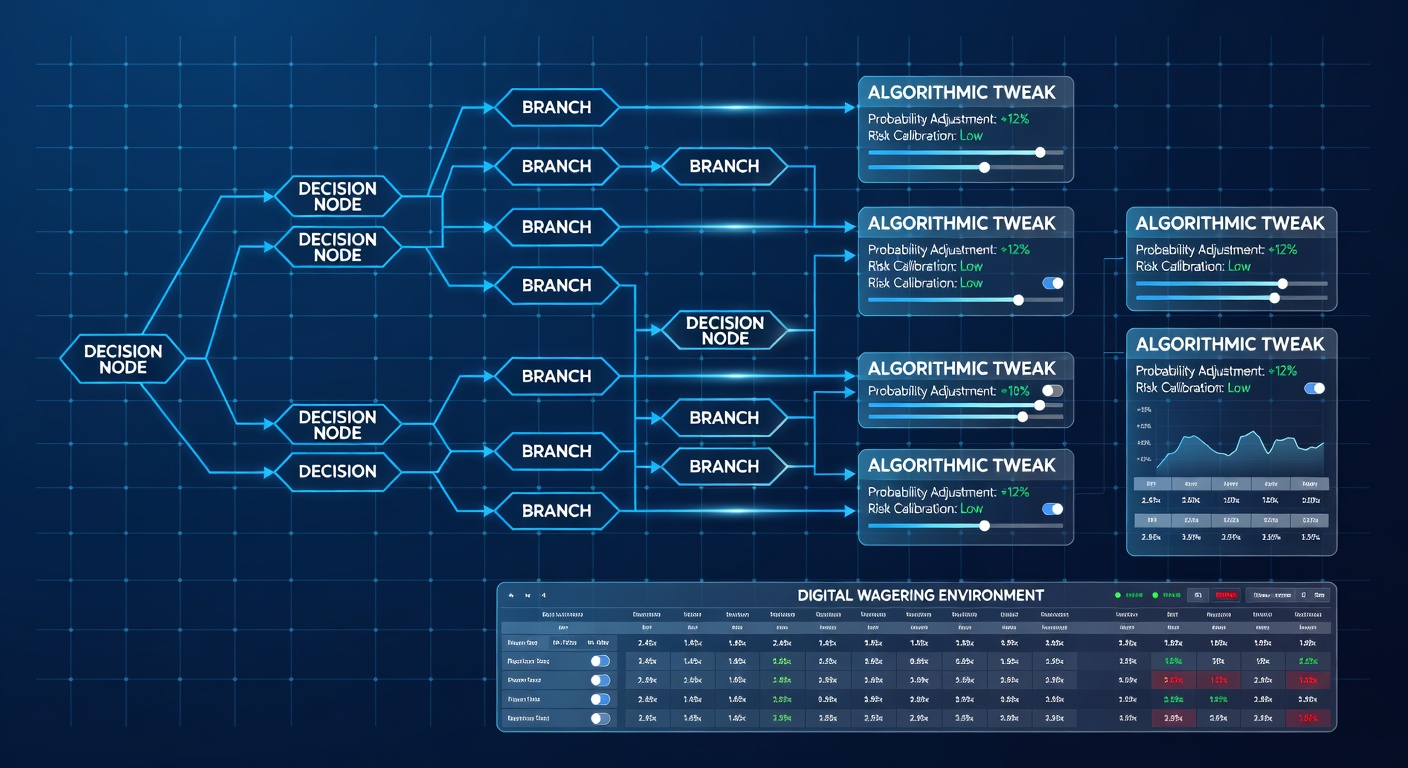
Algorithmic Tweaks and Decision Tree Dynamics in Virtual Betting Arenas
Digital wagering environments rely on complex systems where algorithmic tweaks interact directly with decision tree models to manage outcomes, personalize experiences, and maintain operational integrity across platforms. These elements work together as operators adjust parameters in real time while decision trees map out sequences of user choices and potential results. Data from industry reports shows that such integrations have expanded significantly since 2024, with platforms processing millions of interactions daily through layered computational frameworks.
Core Mechanics of Decision Trees in Wagering Systems
Decision trees function as branching structures that evaluate variables like bet size, game selection, and historical patterns to determine next steps in user sessions. Researchers at institutions such as the University of Nevada have documented how these trees help platforms classify risk levels and allocate resources accordingly. Each node represents a condition, whether a player's recent activity or a market fluctuation, while branches lead to specific actions such as adjusting odds or triggering bonus features. Observers note that this approach allows systems to handle high volumes of transactions without manual intervention, creating pathways that adapt based on accumulated data points.
Platforms integrate these trees into backend processes for tasks ranging from fraud detection to game balancing. A single tree might start with broad criteria like account age before narrowing to factors such as deposit frequency or withdrawal behavior. This sequential evaluation supports efficient processing, especially in environments where multiple games run simultaneously across sportsbooks and casino modules.
Implementation of Algorithmic Tweaks
Algorithmic tweaks involve targeted modifications to existing code or parameters that influence how decision trees process inputs. These adjustments occur when operators respond to performance metrics, regulatory updates, or shifts in user engagement patterns. In May 2026 several European operators rolled out refined models that recalibrated payout frequencies based on aggregated session data, illustrating the ongoing evolution of these systems. Such tweaks often focus on variables including volatility settings or reward distribution logic, ensuring trees continue to produce balanced outcomes.
Engineers apply these changes through iterative testing cycles that measure impact on tree performance before full deployment. Metrics tracked during this phase include session duration averages and conversion rates from free play to real stakes. The process relies on feedback loops where tree outputs inform the next round of algorithmic refinements, creating a cycle that maintains system responsiveness.
Interconnections Across Platform Components
The interplay emerges when tweaks to algorithms directly alter the depth or weighting within decision trees, affecting everything from initial user onboarding to long-term retention strategies. For instance, an adjustment to risk thresholds might expand certain branches in the tree, opening new pathways for promotional offers while closing others associated with high-exposure accounts. Industry analyses from the Australian Communications and Media Authority highlight similar patterns in regulated markets where these modifications help align platform behavior with compliance standards.
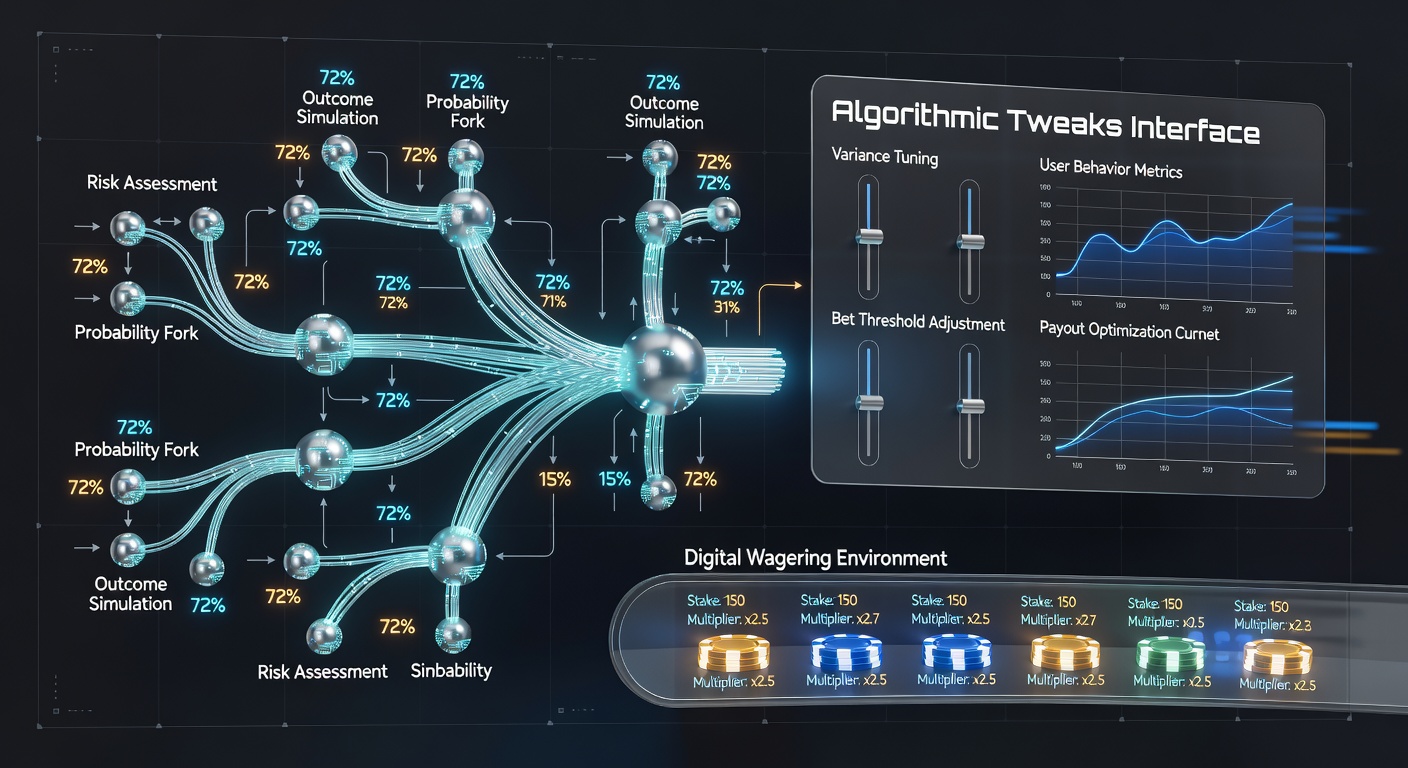
Case examples from North American operators demonstrate how combined systems manage cross-product wagering, linking sports event predictions with slot mechanics through shared data streams. Decision trees evaluate player history to route recommendations, while algorithmic tweaks fine-tune the probability weights assigned to each suggestion. This coordination supports features like dynamic odds that respond to live events or player clusters identified through prior sessions.
External data sources such as those published by the American Gaming Association indicate steady growth in the adoption of these hybrid approaches across licensed jurisdictions. The integration reduces latency in decision-making processes and allows platforms to scale operations during peak periods without proportional increases in manual oversight.
Regulatory and Technical Considerations
Regulatory frameworks in various regions require documentation of how algorithmic changes influence decision tree outputs, particularly when those outputs affect player funds or game fairness. Technical teams maintain audit trails that record each tweak alongside corresponding tree modifications, facilitating reviews by oversight bodies. In practice this means updates undergo validation stages that verify tree stability remains intact after parameter shifts.
Platforms also incorporate machine learning overlays that monitor tree performance metrics and flag areas where further tweaks could enhance efficiency. These overlays operate alongside core decision structures, providing supplementary analysis rather than replacing established branching logic. Data compiled through 2025 and into 2026 shows continued refinement in these monitoring capabilities, driven by advances in processing power and storage solutions.
Conclusion
The combination of algorithmic tweaks and decision trees continues to define operational capabilities in digital wagering environments through structured, data-driven interactions. As platforms evolve, the emphasis remains on maintaining transparent connections between adjustments and their effects on tree pathways. Ongoing developments ensure these systems accommodate expanding user bases while meeting technical and compliance demands across global markets.