Decoding Sequence Dependencies in Automated Reel Alignments Across Multi-Provider Platforms
Ines Lehmann · Jun 30, 2026
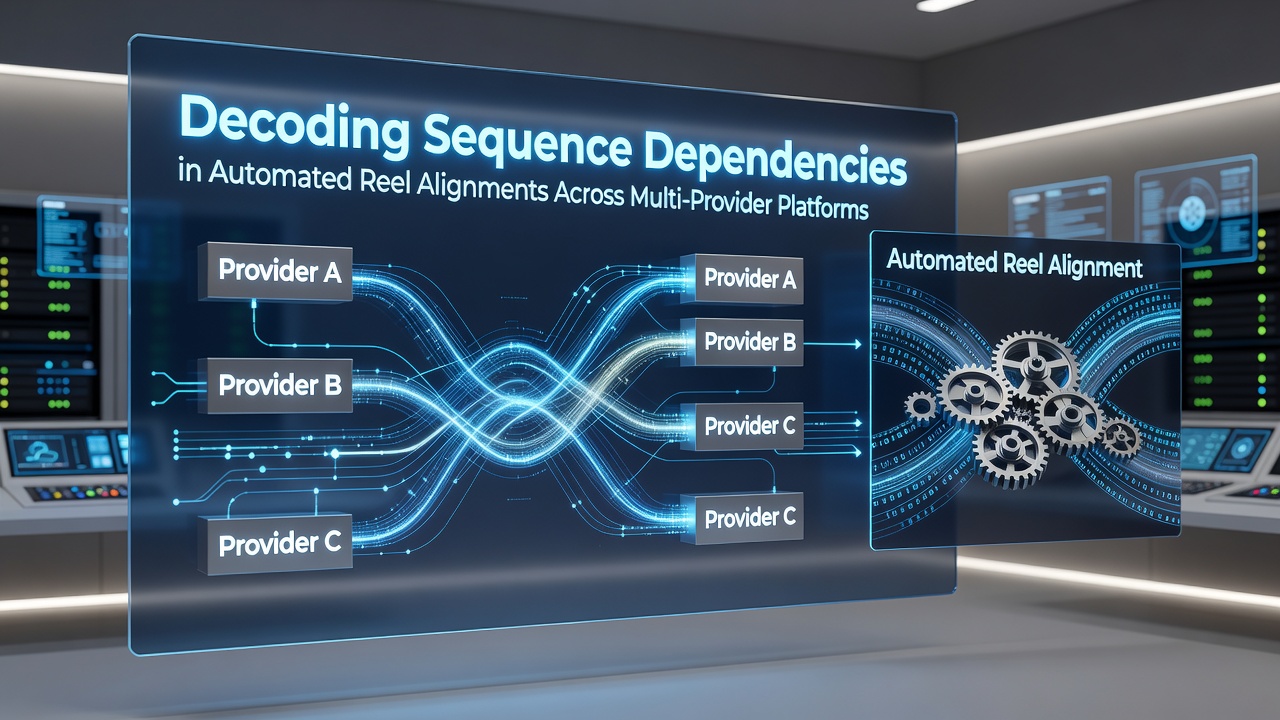
Decoding Sequence Dependencies in Automated Reel Alignments Across Multi-Provider Platforms
Automated reel alignments form the backbone of modern slot systems where multiple software providers supply games to a single platform, and sequence dependencies emerge when one provider's reel outcomes influence the synchronization logic used by another. These dependencies arise because each provider employs distinct random number generator algorithms and symbol weighting tables, yet the hosting platform must maintain consistent reel positioning across all titles to preserve game integrity and regulatory compliance. Observers note that such cross-provider interactions require detailed mapping of spin sequences to avoid misalignment that could alter payout probabilities.
Core Mechanics of Reel Sequence Mapping
Reel sequences in automated environments follow predetermined cycles generated through pseudorandom functions, and platforms must decode these cycles to ensure symbols land in positions that match each game's certified return-to-player parameters. Data from industry testing laboratories shows that dependency chains often begin when a shared central server pulls outcomes from Provider A and feeds adjusted timing signals to Provider B's reel engine. Engineers track these chains through timestamp logs and seed values, allowing them to reconstruct how one sequence's final reel stop affects the starting position of the next provider's virtual reels.
Multi-provider platforms typically operate under unified game management systems that translate each supplier's native reel data into a common format, and this translation step introduces potential points where sequence offsets accumulate. Research conducted by technical certification bodies indicates that even minor discrepancies in clock synchronization between providers can shift reel alignments by several positions, changing which symbols appear on the visible window. Platforms therefore implement buffer layers that recalibrate reel states after every batch of spins to keep alignments within certified tolerances.
Challenges When Integrating Different Providers
Each provider maintains proprietary methods for generating reel strips and handling bonus triggers, so sequence dependencies become visible when games share the same player session pool or progressive jackpot infrastructure. One documented integration case involved a North American operator connecting three European suppliers, where the jackpot controller needed to reconcile reel completion events from all three systems before awarding linked prizes. The process required custom dependency parsers that read completion flags from each provider's API and mapped them onto a unified timeline.
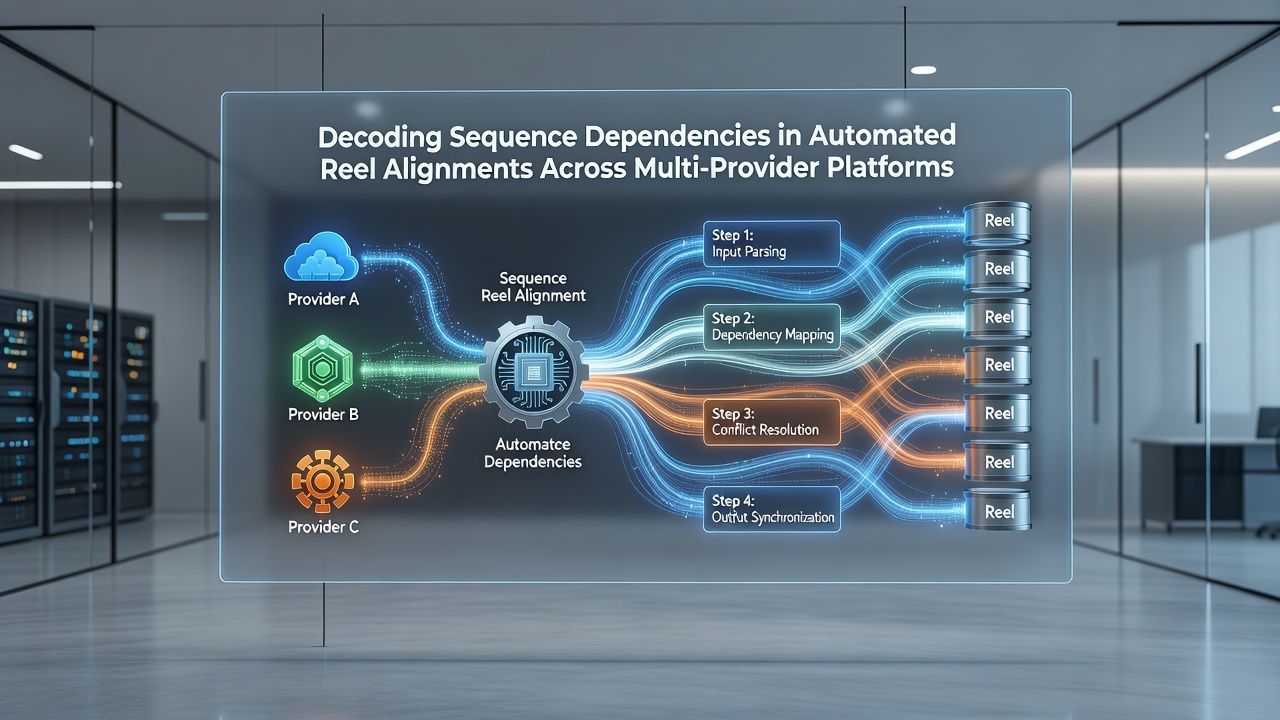
Regulatory frameworks outside the United Kingdom, such as those administered by the Nevada Gaming Control Board, require operators to submit dependency flow diagrams during game certification, and these diagrams must detail every handoff between providers. Similar requirements appear in Australian state regulations where testing authorities examine how reel state information passes across supplier boundaries. Platforms that fail to document these flows risk certification delays, particularly when new titles launch in coordinated releases.
June 2026 Developments in Platform Standards
Technical updates scheduled for June 2026 introduce revised interoperability protocols that mandate clearer labeling of sequence dependency points between providers, and several major platform vendors have already begun updating their middleware to meet the new specifications. These protocols emphasize real-time logging of reel state transitions so that auditors can trace any alignment anomaly back to its originating provider within seconds. Early adopters report that teh enhanced logging reduces troubleshooting time during live operations while maintaining performance across high-volume deployments.
Industry associations such as the European Gaming and Betting Association have published guidance on implementing these June 2026 changes, recommending that operators establish dedicated sequence monitoring dashboards. The dashboards aggregate data from all connected providers and flag any deviation that exceeds predefined tolerance thresholds. This approach allows technical teams to isolate dependency issues before they affect player sessions.
Practical Implementation Examples
Take one large European casino network that integrated five separate providers onto a single lobby interface in early 2025; the network's engineering team developed a dependency resolution layer that normalized reel stop positions using a shared reference clock. After deployment, the system processed over 12 million spins without alignment-related discrepancies, according to internal performance reports. Another example comes from a Canadian operator that linked progressive jackpot mechanics across two North American and one Asian supplier, requiring careful mapping of reel completion events to ensure jackpot contributions registered in correct sequence order.
Conclusion
Sequence dependencies in automated reel alignments continue to shape how multi-provider platforms maintain consistency and regulatory compliance across diverse game portfolios. As standards evolve toward the June 2026 updates, operators and providers alike focus on improved logging, standardized handoff protocols, and real-time monitoring tools that keep reel states synchronized. These technical measures support the growing complexity of integrated gaming environments while preserving the certified behavior of each individual title.