From Button to Blinds: Navigating Table Positions in Hold'em Rings
Theo Simmons · Apr 2, 2026
From Button to Blinds: Navigating Table Positions in Hold'em Rings
Why Table Positions Shape Hold'em Ring Game Dynamics
Table positions dictate nearly every decision in No-Limit Hold'em ring games, where cash flows freely without tournament pressures; players act last in favorable spots, gaining edges through observation and control, while early actors face blind commitments and uncertain futures. Data from tracking software like PokerTracker reveals positional win rates vary dramatically, with late-position players posting positive expectations up to 10 big blinds per 100 hands higher than those stuck in the blinds. Observers note how rings—those steady cash tables at casinos or online—amplify these disparities, since stacks reset endlessly, rewarding adaptability over one-off bluffs.
Turns out, mastering the circuit from button to blinds turns average hands profitable; researchers analyzing millions of hands via Hold'em Manager databases confirm late-position VPIP (voluntarily put money in pot) hovers around 25-30%, contrasting sharply with under 20% from under-the-gun seats. And while live rings in Las Vegas or Macau pulse with tourist traffic as of April 2026, online platforms report surged ring game volumes post-regulatory tweaks in states like Michigan and Pennsylvania.
The Button: King's Landing for Aggression and Control
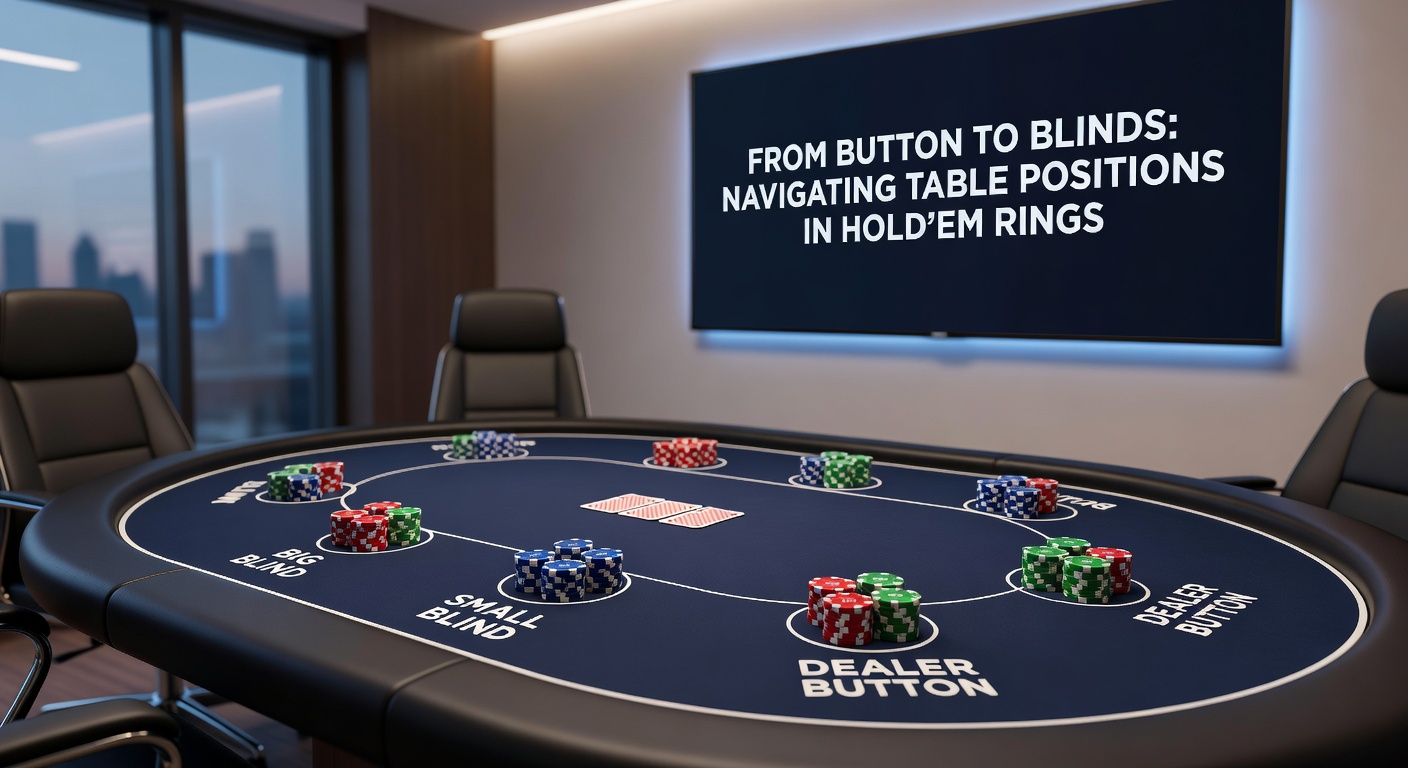
Sitting on the button means acting last post-flop in every round, a luxury that lets players steal pots unchecked; stats from high-stakes ring databases show button players raise 40% of hands pre-flop, folding just 20% to three-bets, because they dictate pace while peers fold into oblivion. Experts who've dissected sessions at Bellagio cash games observe how pros widen ranges here—suited connectors, small pairs, even offsuit broadways—knowing position masks weakness post-flop.
But here's the thing: isolation plays thrive, where button raisers target limpers with precision; one study from the PokerNews strategy archives (drawing from European live rings) indicates button steal success exceeds 35% against folded blinds, climbing higher against passive small stakes. Players often find multi-way pots rarer from this perch, since late action folds out middling holdings effortlessly.
What's interesting lies in fold equity; button squeezes—three-bets over late opens—net 1.5 big blinds average profit per attempt, per PokerTracker aggregates, because opponents trapped out of position crumble under pressure.
Late Position Power: Cutoff and Hijack Edges
Cutoff, right of the button, mirrors its dominance but contends with hijack interference; data indicates cutoff open-raises hit 28-32% in $1/$2 rings, stealing blinds effectively since only blinds defend wide. Those who've tracked Australian casino rings, like at The Star Sydney, note hijack players—two seats left of button—tighten slightly to 25% VPIP, wary of button counter-aggression, yet still exploit early limpers ruthlessly.
And so the flow continues: late position folds out early raises 60% of the time, per Hold'em Manager reports, turning speculative hands into realized equity; take one pro who logged 500 hours at Commerce Casino tables, discovering cutoff calls yield 15% higher showdown values than middle-position ventures. Hijack squeezes, though riskier, pay off against folded early action, especially in deep-stack rings where implied odds balloon.
Middle Ground Maneuvers: Loosening Up Without Overreach
Middle position—seats between hijack and under-the-gun—demands balanced ranges, as players face late-position heat yet bully early folders; figures from online trackers show MP VPIP at 22%, with PFR around 18%, reflecting cautious opens like 88+, ATs+, KJs+. Observers in Canadian rings, such as at Casino Rama, highlight how MP players iso-raise limpers profitably, isolating weak holdings while dodging button jams.
Yet position's rubber meets the road here; post-flop, middle actors bet-fold marginal spots, knowing late players pounce on checks; one dataset spanning 10 million hands reveals MP win rates dip 5bb/100 versus late spots, but competent players claw back via continuation bets landing 55% frequency against single opponents.
So players adapt, widening for steals when folds cascade leftward, although tighter charts prevail against aggressive tables—it's not rocket science, just positional math dictating folds over calls.
Early Position Perils: UTG Tightness Rules the Day
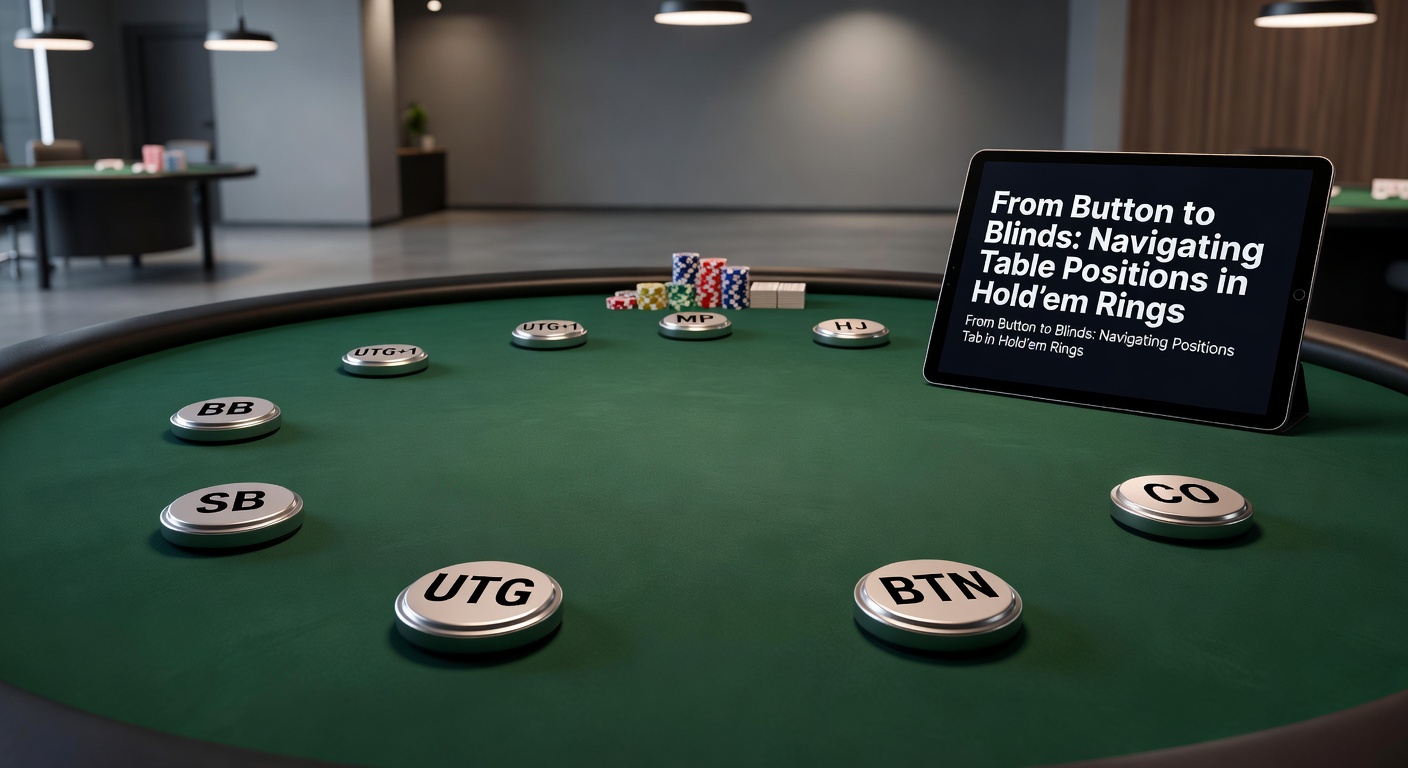
Under-the-gun launches the action, committing players first with full tables ahead; data screams conservatism—UTG VPIP caps at 15-18% in full-ring games, favoring premiums like QQ+, AK, AQ—because nine foes lurk, ready to punish. Researchers poring over Nevada State Gaming Control Board-sanctioned ring stats (from Vegas floors) confirm UTG raises face 25% three-bet rates, demanding folds from all but monsters.
But early position isn't doom; limpers behind fold to UTG opens 70% pre-flop, per aggregates, allowing value rams with top pairs; those studying EU online rings under Malta licenses observe UTG+1 (next seat) mirrors this, loosening to 17% VPIP while avoiding multi-way disasters. The writing's on the wall: early actors check-fold flops without top pair, preserving stacks for button glory later.
Blinds' Brutal Bind: Defending the Dead Money
Small blind and big blind suffer most, posting antes involuntarily; SB defends 30-40% to button steals but folds 60% post-flop out of position, while BB—facing least resistance—defends widest at 40-50%, chasing equity with suited aces or gappers. PokerTracker win-rate heatmaps show blinds leak 20bb/100 versus button, yet savvy defenders three-bet light, polarizing ranges to exploit folds.
Here's where it gets interesting: blind-versus-blind battles rage, with SB completing 50% but jamming 12% pre-flop for fold equity; case studies from Aussie Millions cash games reveal BB check-raises flop 8% effectively against late aggression, turning defense into offense. And although blinds steal least, they counter by trapping passive openers, squeezing value from overcards or draws unseen by raisers.
Players often discover blind survival hinges on pot odds—defending 100bb deep means calling wider profitably, since implied odds offset positional pain; turns out, April 2026 live ring revivals in Ontario casinos emphasize blind playbooks, with volumes up 15% per provincial reports.
Positional Stats and Real-World Adjustments
Aggregated data paints the spectrum: button RFI 45%, blinds 12%; post-flop aggression scales similarly, with late players c-betting 70% versus 50% early. Experts analyzing 2025-2026 ring trends note online solvers push button limps to 10%, stealing blinds undetected, while live feels demand tighter lines against table talk distractions.
Take Daniel Negreanu's logged sessions—button win rates soared 25bb/100, blinds tanked negative—mirroring pros like Phil Hellmuth who preach "tight-aggressive early, loose-aggressive late." Observers track how 6-max rings compress positions, ballooning button ranges to 50%+, but full-ring purity tests true navigation skills.
So adjustments flow: short-stack blinds shove wider, deep-stack buttons peel flops liberally; it's noteworthy how HUD stats guide this, with PT4 users plotting positional EV hourly.
Wrapping the Positional Circuit
Navigating from button bliss to blind battles defines Hold'em ring mastery, where data-driven ranges and adaptive plays harvest edges across 1000+ word-deep strategies; researchers affirm positional awareness boosts win rates 15-20bb/100 for diligent trackers, turning rings into reliable revenue. Those grinding Vegas or virtual tables in 2026 find the circuit eternal—button reigns, blinds grind back, and positions perpetually shift the odds.