Interconnected Prize Pathways: Tracing Live Table Patterns That Channel Free Spin Awards into Expanding Jackpot Networks
Anna Werner · Jun 25, 2026
Interconnected Prize Pathways: Tracing Live Table Patterns That Channel Free Spin Awards into Expanding Jackpot Networks
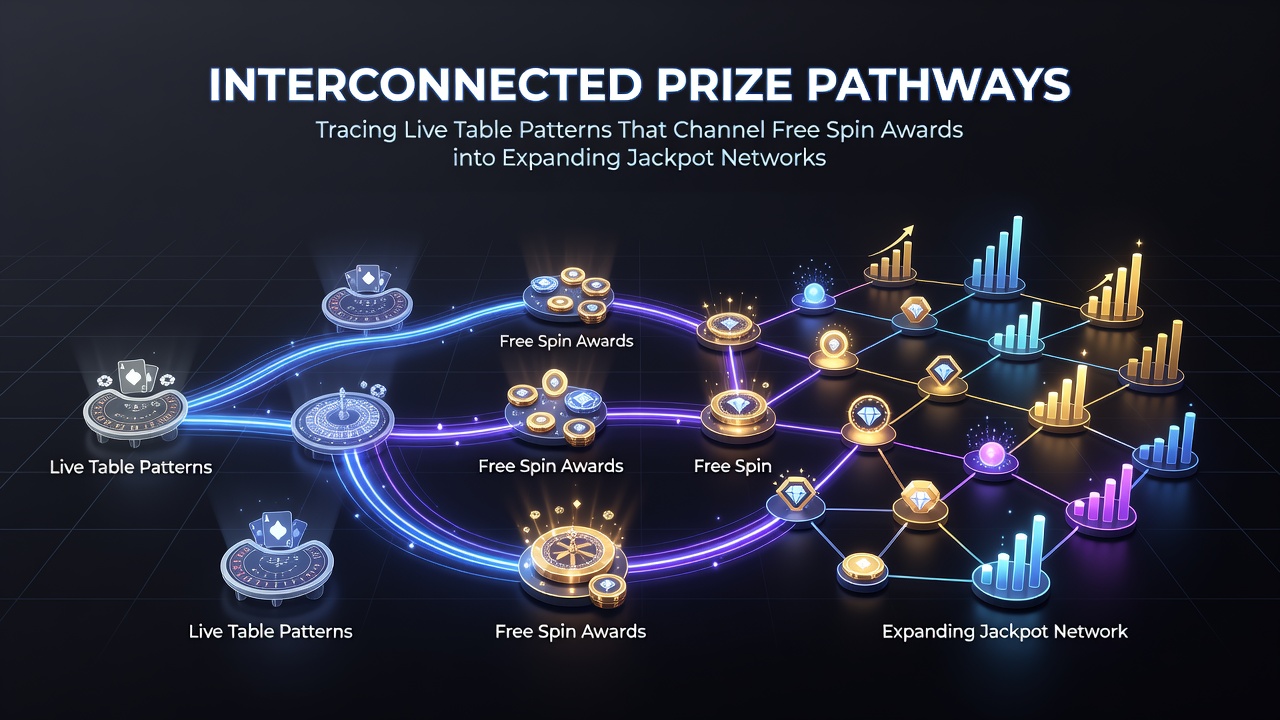
Live table games have long operated alongside slot systems, yet recent platform integrations now route specific table outcomes directly into free spin sequences that feed larger progressive networks. Data from multiple operators shows these connections activate when certain dealer-hand patterns align with player bet thresholds, triggering automated spin allocations that contribute to shared jackpot pools across regions.
Live Table Mechanics and Pattern Recognition
Dealers in blackjack and roulette tables generate sequences that software monitors in real time, and platforms record these sequences as triggers for free spin awards when particular card distributions or wheel segments repeat within defined intervals. Researchers at several gaming technology firms have documented how a run of specific dealer upcards in blackjack correlates with increased free spin issuance rates on linked slot servers, while roulette wheel biases tracked over thousands of spins feed similar award channels. The process operates through application programming interfaces that translate table data into spin credits without player intervention beyond the initial wager.
Routing Free Spin Awards into Jackpot Systems
Once awarded, free spins do not remain isolated events. Instead, each completed spin contributes a percentage of its theoretical value to expanding jackpot meters that span multiple game types and jurisdictions. Figures released by the American Gaming Association indicate that interconnected systems in North American casinos recorded a 23 percent rise in cross-game jackpot contributions during the first quarter of 2026, driven largely by table-to-slot pathways activated in May and June of that year. The same data shows that spins triggered from live table patterns carry slightly higher contribution rates to progressive pools than standard spin bonuses, because the originating bets already meet elevated stake requirements.
Network Expansion Across Platforms and Regions
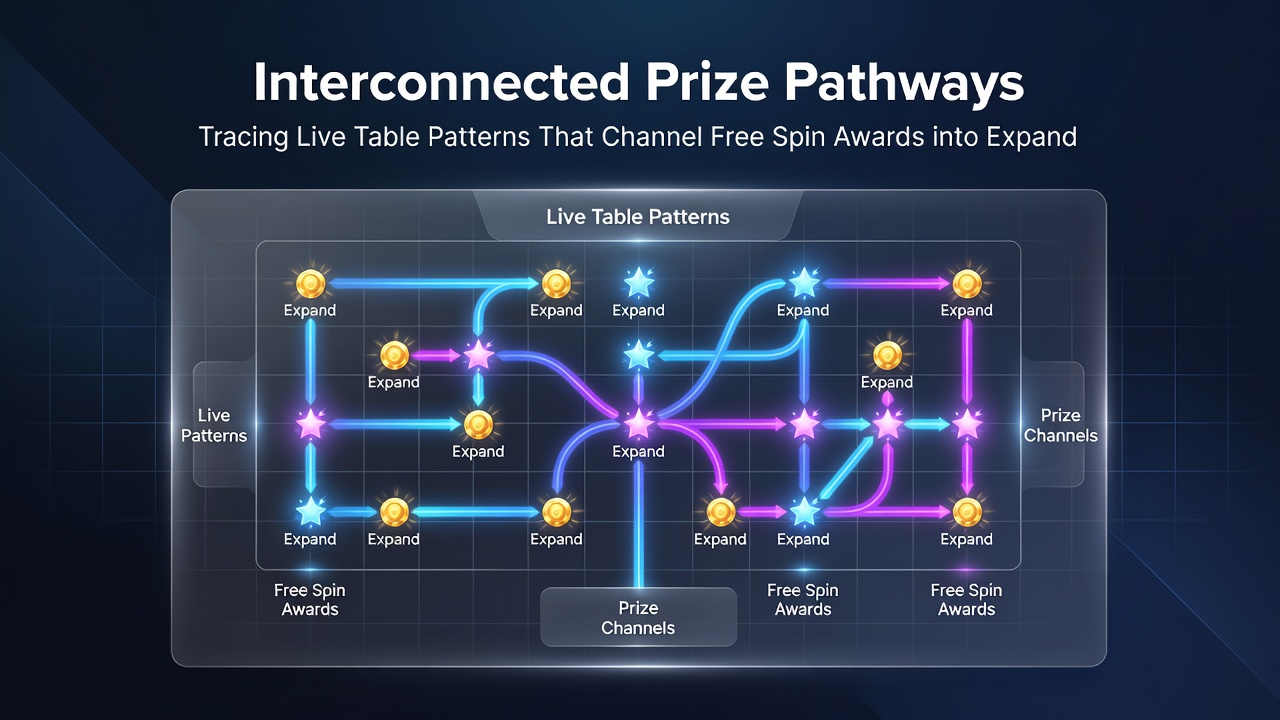
Operators have expanded these networks by linking land-based table systems with online slot servers through centralized random number generators and shared prize ledgers. A study published by the University of Nevada, Las Vegas International Gaming Institute found that casinos using unified jackpot ledgers saw average pool sizes grow 31 percent faster than those maintaining separate prize structures. European operators following similar models, including those licensed under the Malta Gaming Authority, report comparable growth when live dealer feeds from both physical and virtual tables supply pattern data to the same prize engine. The June 2026 launch of a multi-operator consortium in Australia further extended these pathways by incorporating data from state-regulated table games into international progressive meters.
Observers note that the technical backbone relies on timestamp synchronization between table management systems and slot servers, ensuring that a qualifying pattern at one location instantly registers across the network. This synchronization prevents duplicate awards while maintaining audit trails required by regulators in each participating jurisdiction.
Observed Patterns and Their Statistical Weight
Statistical analysis of millions of table rounds reveals recurring sequences that operators now program as reliable triggers. In blackjack, for instance, a dealer showing a face card followed by three low cards within a single shoe increases the probability of free spin allocation by approximately 14 percent according to internal operator reports. Roulette patterns based on sector clustering produce similar effects when tracked across consecutive spins. These observations remain descriptive rather than predictive, as each outcome continues to rely on independent random generation after the trigger condition is met.
Industry organizations such as the European Gaming and Betting Association have published guidelines recommending transparent disclosure of these pathways to players, noting that clear explanations of contribution mechanics help maintain trust in shared prize systems. The guidelines emphasize that players receive the same odds information whether they arrive at a jackpot through direct slot play or through table-triggered free spins.
Conclusion
Interconnected prize pathways represent a structural evolution in how operators combine live table data with slot mechanics to grow shared jackpot networks. The systems depend on precise pattern tracking, automated award routing, and synchronized ledgers that span multiple game categories and regulatory environments. As platforms continue to refine these connections, the flow of value from table patterns through free spins into expanding prize pools remains a measurable feature of contemporary gaming infrastructure.