Interface Design Elements Shaping Bet Sizing in Online Poker
Ines Lehmann · Jul 23, 2026
Interface Design Elements Shaping Bet Sizing in Online Poker
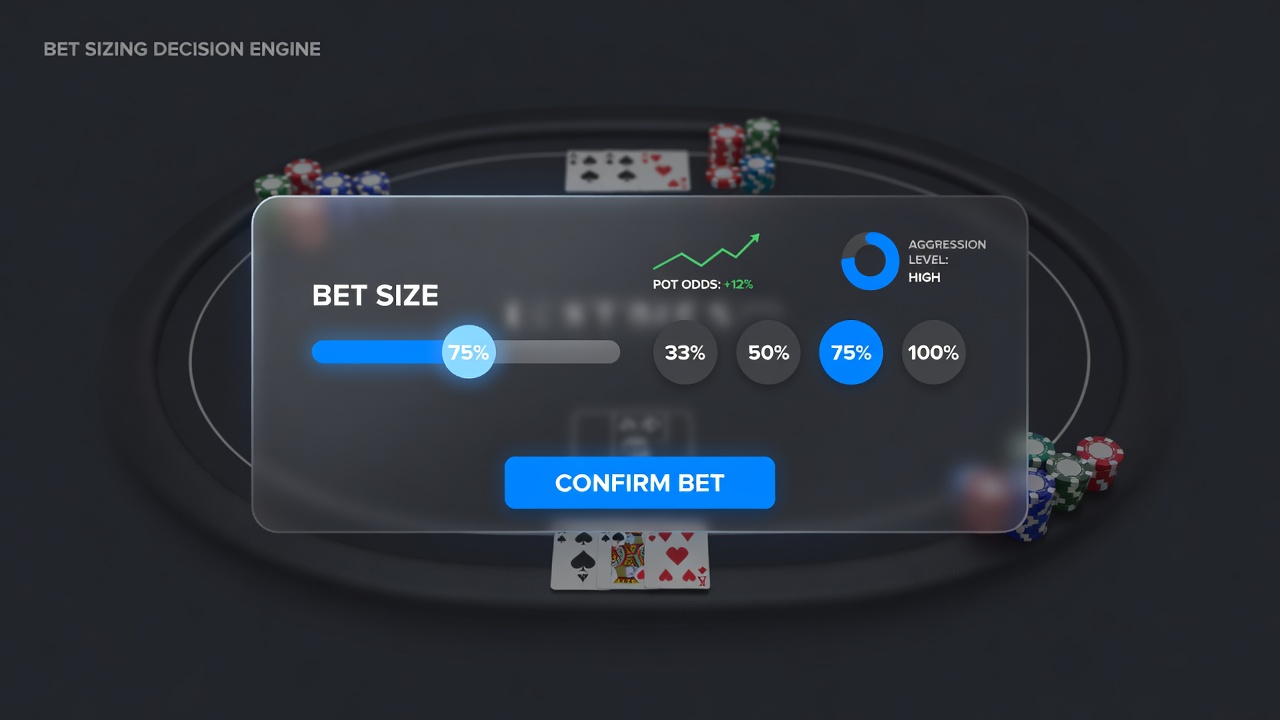
Online poker platforms present players with a range of visual and interactive elements that direct attention toward specific wager amounts, and these cues appear across desktop and mobile formats in consistent patterns. Software developers integrate sliders, preset buttons, and dynamic pot indicators into the betting interface, while color gradients and animations highlight recommended actions based on current hand strength or position. Data from multiple platforms shows that players interact more frequently with the largest and smallest preset options when those buttons occupy prominent positions near the action area.
Common Visual Cues in Betting Screens
Bet sizing tools typically include a horizontal slider that moves in increments tied to the big blind or pot size, and the slider thumb changes color when it reaches thresholds such as one-third or two-thirds of the pot. Preset buttons display percentages or absolute amounts, and their arrangement follows a left-to-right progression from smaller to larger values in most software builds. Observers note that platforms often emphasize the pot-sized bet button through bolder typography or a distinct background shade, which correlates with higher selection rates according to session logs analyzed in industry reports.
Additional indicators include a running total that updates in real time as the slider moves, along with previous bet amounts shown in faded text above the current options. These elements reduce the need for mental calculations and allow quicker decisions during timed betting rounds. Research from academic studies on digital gambling interfaces indicates that real-time numerical feedback increases the frequency of pot-proportional bets compared to static displays.
Impact of Color and Animation on Player Choices
Color coding appears in several major applications where aggressive bet sizes receive red or orange highlights while conservative options stay in neutral tones. Animation sequences, such as a brief pulse on the call button when the pot odds fall within a narrow range, draw focus without requiring additional clicks. Figures from platform analytics reveal that animated cues produce measurable shifts in bet distribution, particularly in heads-up situations where decision speed matters. Players who encounter these effects tend to select mid-range bets more often than those using text-only interfaces.
Pot Odds Displays and Their Role
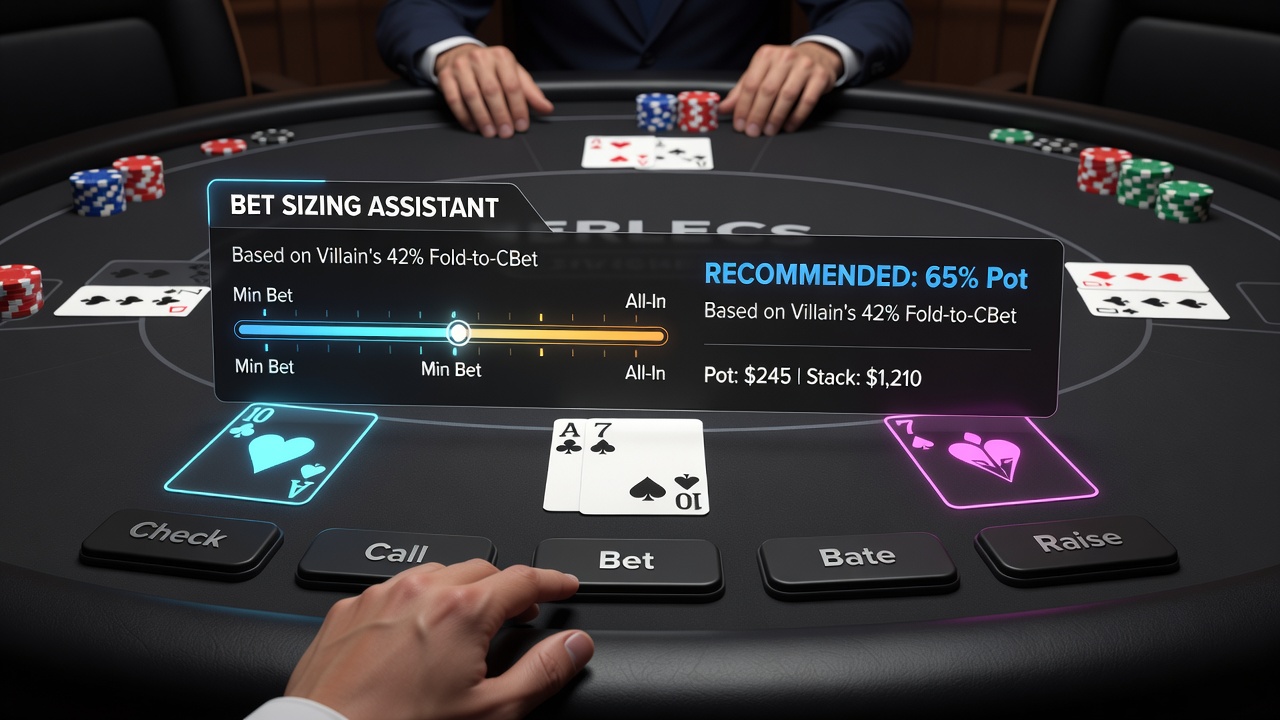
Many digital tables include a small panel that calculates current pot odds and implied odds based on the live pot and remaining stacks. This information appears beside the betting controls and updates after each action. According to data collected by European gaming research groups, the presence of these calculations leads to more consistent use of mathematically aligned bet sizes across multiple streets. The displays often list required equity percentages next to each preset button, which connects the numerical suggestion directly to the available actions.
Some platforms extend this feature by highlighting the slider position that matches the displayed equity target, creating a visual bridge between information and execution. Session data gathered during 2025 and early 2026 shows that players reference these panels more frequently in tournaments than in cash games, where stack preservation strategies differ.
Position-Based Highlighting and Table Layout
Interface layouts adjust button prominence depending on player position relative to the dealer button. When a user sits in late position, the software sometimes enlarges the raise and re-raise presets while shrinking the fold option. Tracking data from North American operators indicates that these position-aware adjustments increase average bet sizes in late-position scenarios compared to early-position ones. The dealer button icon itself rotates with each hand and serves as a constant spatial reference that helps users maintain awareness of relative position without extra mental effort.
Regulatory Context and Platform Standards
Authorities in various jurisdictions require clear presentation of all betting options to prevent obscured information. Standards issued by the Nevada Gaming Control Board and similar bodies in other regions specify minimum font sizes and contrast ratios for wager amounts. These rules influence how platforms arrange sliders and buttons while still allowing creative use of color and animation within defined limits. Compliance reports published in July 2026 noted that most major operators had updated their mobile interfaces to meet revised visibility guidelines without altering core bet-sizing mechanics.
Conclusion
Digital poker environments continue to refine the visual and interactive tools that guide wager decisions, and platform data demonstrates consistent relationships between specific cues and player behavior. Preset buttons, sliders, pot odds panels, and position-aware highlights each contribute to the decision process in measurable ways. As software evolves, the integration of these elements remains central to how players interact with betting rounds across cash games and tournaments.