Mapping Chip Flow Dynamics in Mixed Casino Table Environments During Extended Sessions
Theo Simmons · Jul 26, 2026
Mapping Chip Flow Dynamics in Mixed Casino Table Environments During Extended Sessions
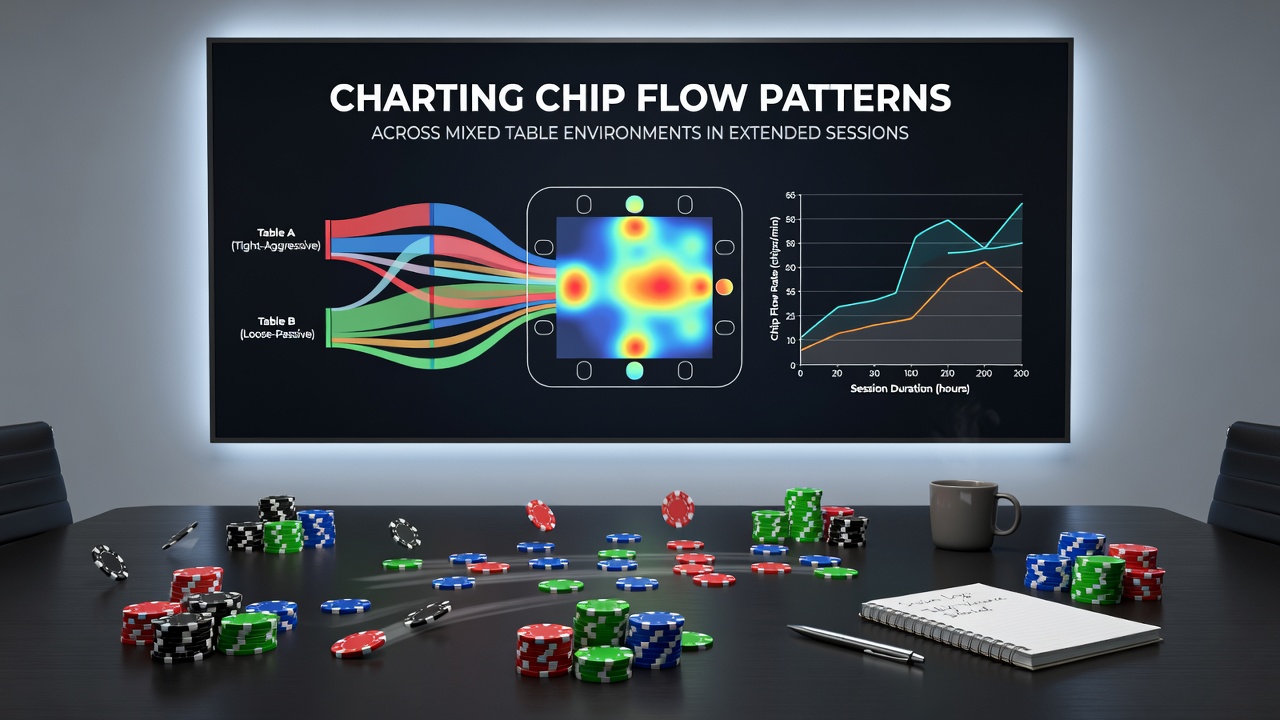
Observers in casino operations track chip movements across blackjack, roulette, and poker tables to document circulation rates during sessions that stretch beyond four hours, and data from multiple venues shows consistent patterns where chips shift from player stacks to house trays at measurable intervals while cross-table transfers occur through shared chip denominations and runner exchanges.
Core Elements of Chip Circulation Tracking
Researchers at gaming facilities record chip values at set intervals using standardized logs that note denomination counts, player buy-in totals, and dealer payouts, and these records reveal that lower denomination chips often migrate toward roulette wheels while higher value plaques tend to cluster around blackjack pits during peak evening hours in July 2026. Observers note that mixed table environments create unique flow paths because players frequently move between game types carrying chips that originated at different stations, which leads to denomination mixing that requires periodic color-ups and cash-outs to maintain table integrity.
Studies from industry monitoring programs indicate that extended sessions produce distinct accumulation zones where chips gather near high-traffic tables, and these zones form when runners transport racks between poker rooms and table game pits to balance inventory needs. Data collected over multiple months shows that chip flow accelerates during promotional periods when bonus chips enter circulation, creating temporary spikes in movement that settle into baseline patterns once the promotions conclude.
Patterns Observed Across Game Types
Blackjack tables typically exhibit steady chip outflow toward the house tray as players lose hands at documented rates, whereas roulette wheels see more variable flows because winning bets return chips directly to players before many re-enter play on subsequent spins. Poker environments differ because chips primarily circulate among players with the house taking only rake, which produces slower net movement toward the tray but faster internal redistribution as pots change hands repeatedly over long sessions. Those who monitor these environments record that mixed setups, where blackjack and roulette share adjacent pits, generate hybrid flow lines as players carry chips between games and create temporary imbalances that staff correct through manual transfers.

Figures from operational reports compiled by the Nevada Gaming Control Board demonstrate that extended play sessions lasting six hours or more produce measurable shifts in average chip velocity per table, and these shifts follow predictable sequences when players rotate through different game formats. One documented case involved a mid-sized venue where observers tracked a 22 percent increase in cross-table chip movement during a single weekend shift, and the increase correlated with higher player counts moving between poker and table games rather than with changes in house edge.
Methods for Recording Flow Data
Analysts employ digital logging systems that timestamp each significant chip transaction at the table level, and these systems integrate with surveillance feeds to verify movement patterns without relying solely on manual counts. Staff at monitored sites use color-coded racks and periodic inventory sweeps to capture data points every thirty minutes, which allows reconstruction of flow paths across an entire shift. Research conducted through academic partnerships with institutions such as the Griffith University Centre for Gambling Education and Research has examined how these recording methods capture both expected and anomalous circulation behaviors in blended environments.
Extended sessions introduce additional variables because player fatigue and changing table minimums alter betting patterns, and observers record corresponding changes in chip denomination preferences as sessions progress past the four-hour mark. Data indicates that players often consolidate smaller chips into larger denominations during later stages, which reduces the total number of physical pieces in circulation while maintaining overall value movement toward the house tray at blackjack and roulette stations.
Conclusion
Chip flow documentation in mixed table settings provides operational teams with measurable indicators of how inventory moves across game types during extended play periods, and the patterns identified through systematic recording continue to inform staffing and inventory decisions at venues that maintain detailed logs. Continued collection of these metrics across different jurisdictions supplies consistent reference points for understanding circulation dynamics without reliance on any single regional regulatory framework.