Mapping Incentive Pathways in Cross-Platform Progressive Slot Networks
Ines Lehmann · Aug 2, 2026
Mapping Incentive Pathways in Cross-Platform Progressive Slot Networks
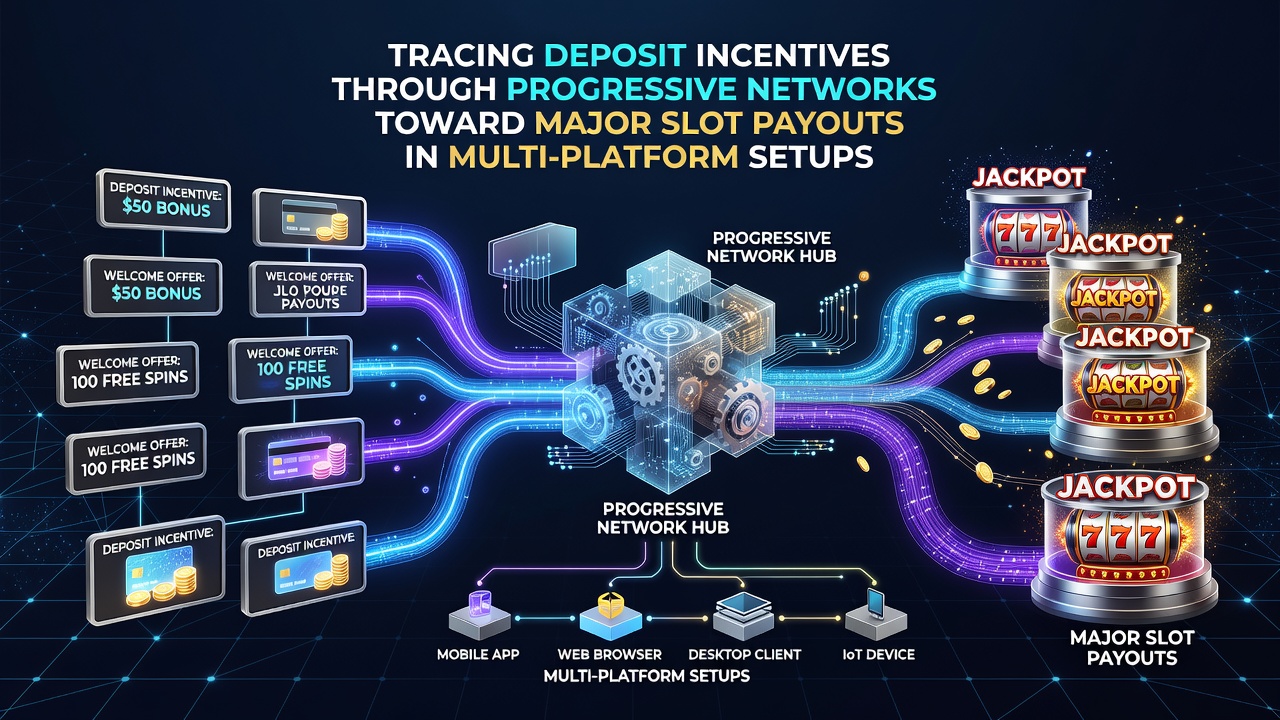
Deposit incentives enter slot systems through initial player funding steps and then move along structured paths that connect to shared jackpot pools spanning several operators and platforms. These movements rely on backend agreements that allocate portions of each qualifying deposit into progressive meters, which accumulate until triggered by specific reel outcomes or random events.
Deposit Mechanics and Initial Allocation
Operators apply deposit matches or fixed credits according to set formulas that often reserve a percentage for progressive contributions. Research from industry tracking services shows that a typical 100 percent match on the first deposit might divert between 1 and 3 percent of the funded amount directly into linked jackpot reserves, while the remainder stays available for standard play. Data collected across North American and European networks in early 2026 indicates that these allocations scale with deposit size, creating larger contributions when players fund accounts above certain thresholds.
Multi-platform environments require standardized protocols so that incentives registered on one site register correctly on others within the same network. Gaming associations such as the Nevada Gaming Control Board have documented how API integrations synchronize these records in real time, preventing duplicate claims and ensuring each deposit segment follows its designated route toward progressive accumulation.
Progressive Network Structures
Shared jackpot systems link machines or game instances across separate casinos through central servers that update meter values continuously. Contributions arrive from deposit incentives, base game wagers, and sometimes fixed fees paid by operators to join the network. Observers note that once a deposit incentive reaches the progressive layer it joins a pool that may already contain contributions from thousands of other sessions conducted on different platforms during the same period.
August 2026 saw several networks report meter growth rates exceeding 15 percent month-over-month in jurisdictions where cross-operator participation increased. These figures come from aggregated reports issued by technology providers that manage the underlying servers, revealing that deposit-derived contributions accounted for roughly one-quarter of total meter increases in the largest international pools.
Tracing the Flow Across Platforms
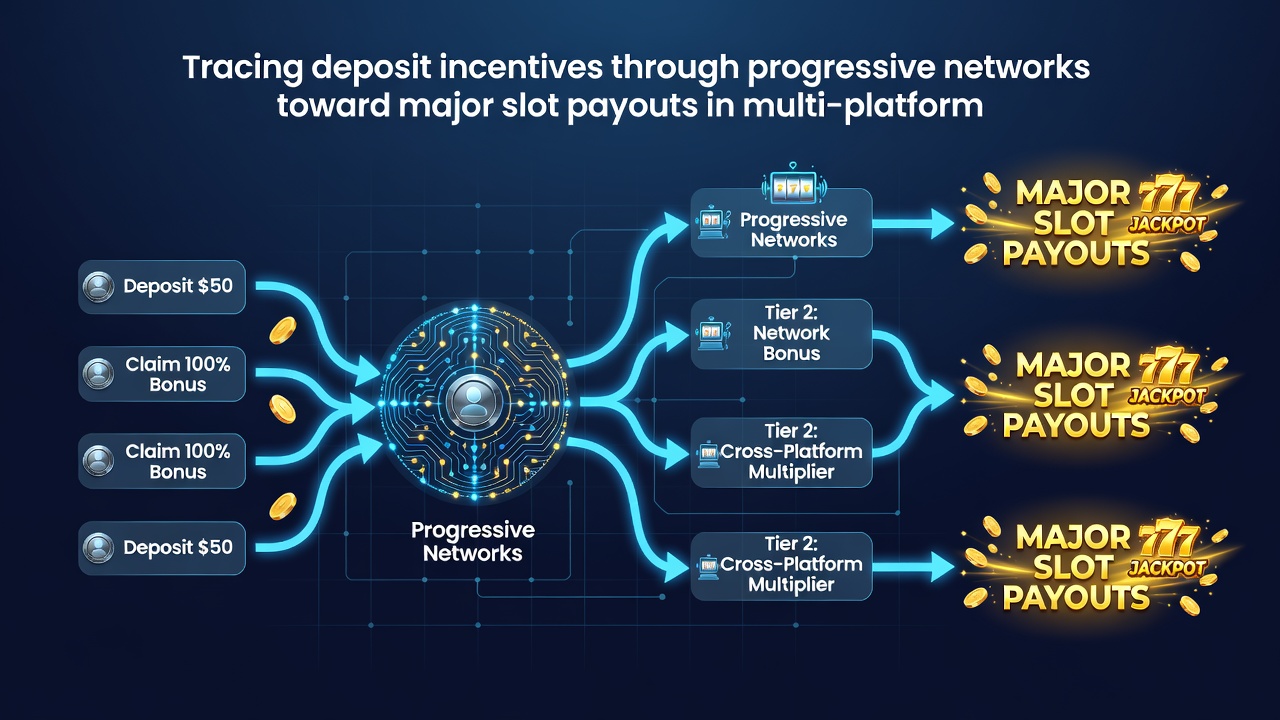
Once a deposit incentive converts into a progressive contribution the amount travels through encrypted ledgers that record its origin, destination meter, and any intermediate fees deducted by network administrators. Experts tracking these ledgers have identified distinct stages: initial capture at the depositing platform, transfer to the central progressive controller, distribution across linked games, and final release when a qualifying win occurs. Each stage maintains audit trails that regulatory bodies in multiple regions review during compliance checks.
Multi-platform setups introduce additional routing rules because not every game on every site participates in every progressive tier. Some networks maintain separate local, regional, and global meters, with deposit incentives directed to specific tiers based on the player's location or chosen game category. Studies published by university research centers in Canada have examined how these tiered structures affect the speed at which contributions reach payout thresholds, showing that global tiers typically require more time to build but deliver larger awards when triggered.
Payout Events and Distribution
Major slot payouts occur when the progressive meter reaches a randomly selected trigger point or when a player hits a designated combination. At that moment the system freezes the meter, calculates the winner according to network rules, and begins distribution processes that may involve tax withholdings and verification steps. Records from 2026 indicate that the largest recorded progressive awards that year originated from deposit-funded contributions accumulated across at least four distinct operator platforms before payout.
Network operators publish periodic summaries that break down contribution sources without identifying individual players. These summaries demonstrate that deposit incentives remain a steady input even during periods of lower overall wagering volume, because many platforms require an initial deposit before players can access progressive-enabled games.
Conclusion
Deposit incentives follow defined routes through progressive networks that span multiple platforms, with each segment of the journey recorded in centralized systems for accuracy and regulatory oversight. Data from government agencies and academic sources confirm that these pathways continue to support meter growth and eventual major payouts as network participation expands in 2026 and beyond.