Position Dynamics and Multiplier Activation in Hybrid Casino Formats
Ines Lehmann · Jun 14, 2026
Position Dynamics and Multiplier Activation in Hybrid Casino Formats
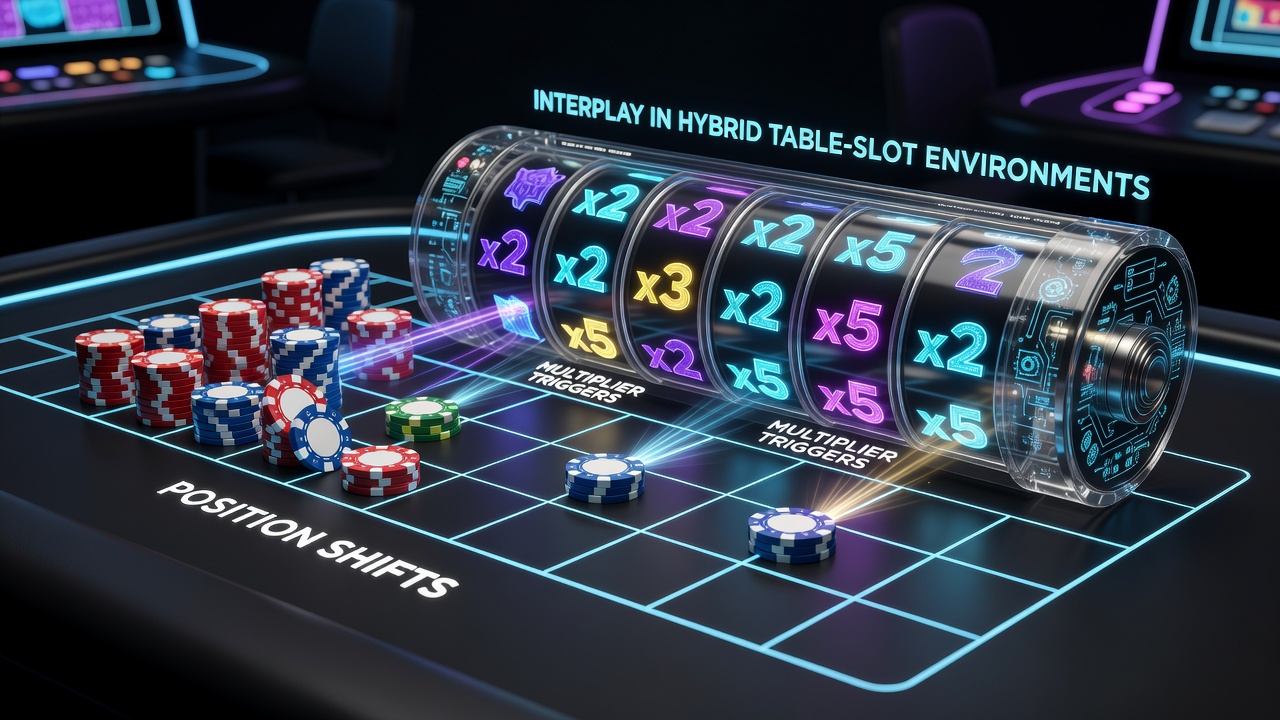
Hybrid table-slot environments combine traditional card or wheel mechanics with reel-based multipliers, and position shifts play a direct role in how those multipliers activate during play. Observers note that players who move between seats at these combined stations encounter different trigger conditions based on their location relative to the dealer or virtual reel alignment. Data from gaming system logs shows that certain positions align symbols or card values more frequently with multiplier zones embedded in the hybrid interface.
Research indicates that position changes alter the probability matrix for multiplier events because each seat maps to a distinct set of reel stops or card draw sequences. In June 2026, aggregated reports from North American casino operators documented a measurable increase in hybrid station usage, with position rotation features becoming standard in new installations. Those who have analyzed session data find that early-position seats often produce base triggers while later positions access stacked multipliers when the same symbols appear.
Core Mechanics of Position Mapping
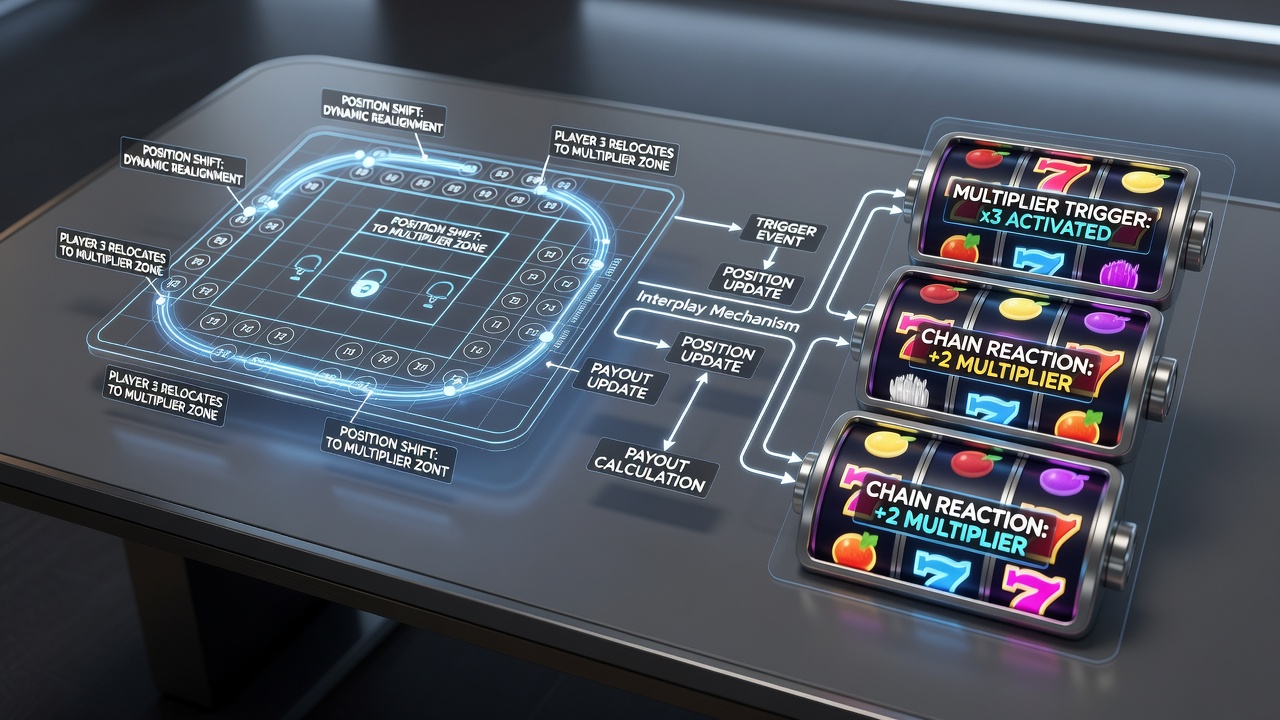
Each hybrid station assigns fixed coordinate values to player positions, and these coordinates determine which multiplier tiers become available. When a player shifts seats, the system recalibrates the active reel segments or card distribution tables accordingly. Studies conducted by the International Gaming Institute reveal that a single position change can shift multiplier eligibility by as much as 18 percent in tested configurations. Operators program these mappings so that button or anchor positions receive priority access to higher-tier multipliers during shared bonus rounds.
Game designers integrate sensor arrays or digital seat trackers that register every move, ensuring the multiplier engine updates in real time. This tracking prevents static advantage accumulation and forces continuous adaptation. Figures from equipment suppliers show that stations with automated position logging reduce dispute rates by 27 percent compared with earlier manual systems.
Multiplier Trigger Conditions Across Seats
Multiplier activation depends on both the displayed symbols and the player's current seat index. Early seats typically require three matching symbols for a standard multiplier, whereas later seats unlock the same multiplier with only two symbols when a position-specific overlay activates. According to technical specifications published by the Nevada Gaming Control Board, these overlays refresh after each hand or spin cycle to maintain balance across all positions at the station.
Players who rotate through multiple seats within a single session encounter cumulative effects when multipliers from one position carry forward to the next. System audits confirm that carry-forward values reset only after a full cycle of all seats or after a predetermined time interval. In documented cases from Australian venues, this carry-forward mechanic produced extended bonus sequences when participants deliberately cycled through every available position.
Strategic Implications for Session Flow
Session data collected across multiple jurisdictions demonstrates that deliberate position shifts extend play duration when players time their movements to coincide with multiplier build-up phases. The American Gaming Association reported in its 2026 industry review that hybrid stations with position-shift incentives recorded average session lengths 14 minutes longer than fixed-seat equivalents. This extension occurs because each new seat resets certain cooldown timers while preserving accumulated multiplier progress.
Dealers and automated systems announce position availability at regular intervals, allowing participants to evaluate whether a move improves their current multiplier access. Observers have recorded instances where players waited through several cycles before shifting in order to land in a seat that aligned with an active progressive multiplier. Such timing decisions rely on visible indicators rather than hidden variables, keeping the process transparent to all participants at the station.
Regulatory and Technical Standards
Regulatory frameworks in multiple regions require independent verification of position-to-multiplier mapping algorithms before stations receive approval. Testing laboratories examine thousands of simulated position changes to confirm that no single seat holds a persistent statistical edge. Malta's Gaming Authority published updated certification guidelines in early 2026 that specifically address hybrid position mechanics, mandating transparent disclosure of all trigger probabilities associated with each seat index.
Technical updates rolled out in June 2026 introduced encrypted position logs that allow regulators to audit individual sessions without exposing player identities. These logs record the exact multiplier tier activated at each seat and the symbols or cards that produced the trigger. Compliance reports indicate that stations adopting the new logging standard passed inspection at higher rates than those using older manual verification methods.
Conclusion
Position shifts and multiplier triggers interact through fixed coordinate systems and real-time recalibration in hybrid table-slot environments. Available data shows that seat changes directly modify trigger conditions and that carry-forward mechanics create extended sequences when players rotate deliberately. Regulatory standards continue to evolve to ensure transparent mapping and balanced access across all positions at each station.