Sequence Mapping of Reel Rotations Across Connected Gaming Sites and Escalating Collective Payout Thresholds
Anna Werner · Jul 14, 2026
Sequence Mapping of Reel Rotations Across Connected Gaming Sites and Escalating Collective Payout Thresholds
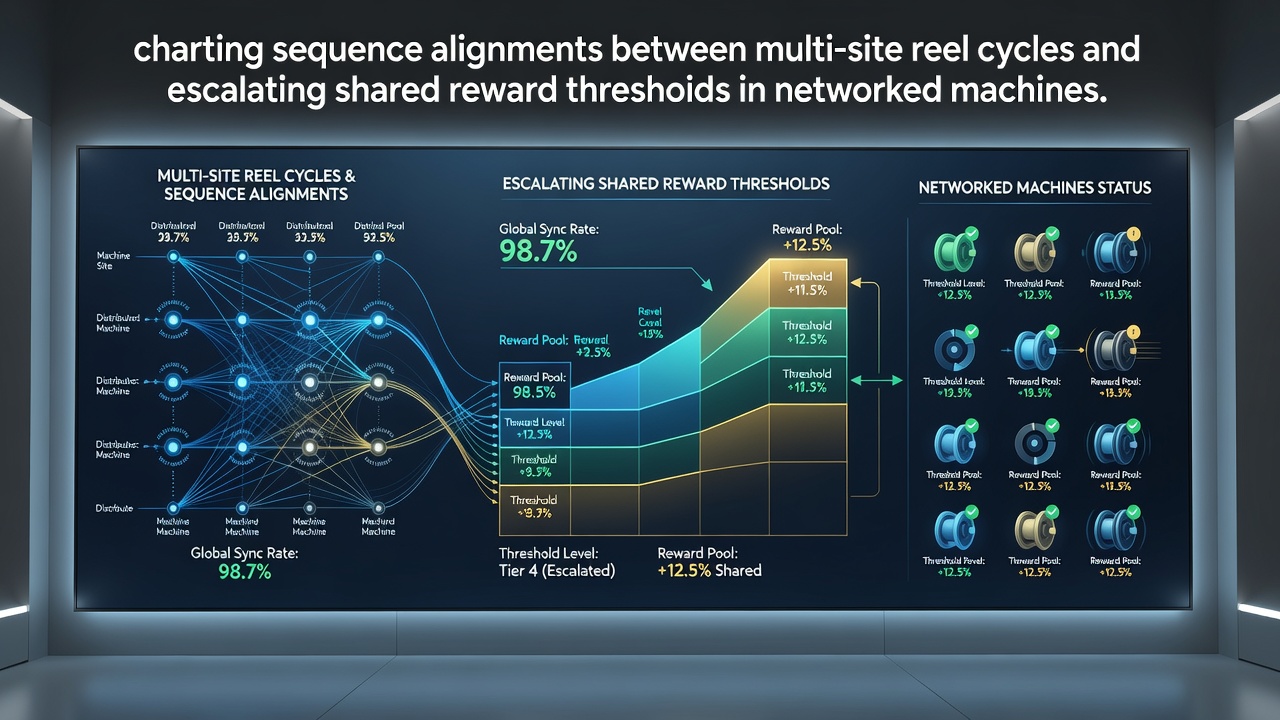
Networked slot systems link machines across multiple locations through central servers that track reel positions and contribution rates to shared reward pools, and data from July 2026 shows operators monitoring these alignments to adjust contribution percentages in real time. Reel cycles consist of fixed symbol sequences on each machine's virtual or physical reels, while multi-site connections allow the same cycle data to feed into a common threshold calculation that determines when pooled rewards trigger payouts.
Core Mechanics of Cross-Site Reel Synchronization
Operators collect timestamped reel position logs from each terminal in the network, then apply alignment algorithms that compare phase offsets between machines at different sites, and these comparisons reveal periods when multiple reels reach high-value symbol combinations simultaneously. The process relies on seed values and random number generators that operators calibrate during initial setup, whereas subsequent adjustments account for network latency and machine-specific wear factors that shift cycle timing over weeks or months of continuous operation.
Research from the University of Nevada's gaming laboratory indicates that cycle length variations between 10,000 and 50,000 spins create predictable windows for alignment detection, and analysts use these windows to forecast when collective thresholds might approach payout levels without requiring physical inspection of each cabinet.
Data Collection Practices Across Jurisdictions
Regulatory frameworks in Nevada, Ontario, and New South Wales require operators to log reel state data at one-second intervals during peak play periods, after which central systems aggregate the information into heat maps that highlight sites with the strongest phase matches. Figures released by the Nevada Gaming Control Board in July 2026 recorded average alignment frequencies of 3.2 events per 10,000 spin cycles across 47 linked networks, while similar metrics from Ontario's Alcohol and Gaming Commission showed 2.8 events under comparable contribution rates.
Technicians employ software tools that flag when reel offsets fall below a 50-millisecond threshold, and these flags trigger automated reviews of contribution percentages to maintain balanced growth in the shared reward pool. The approach avoids manual intervention by relying on predefined rules that scale the rate at which each machine feeds the pool based on its current cycle position relative to the network average.
Threshold Escalation Models and Network Feedback Loops
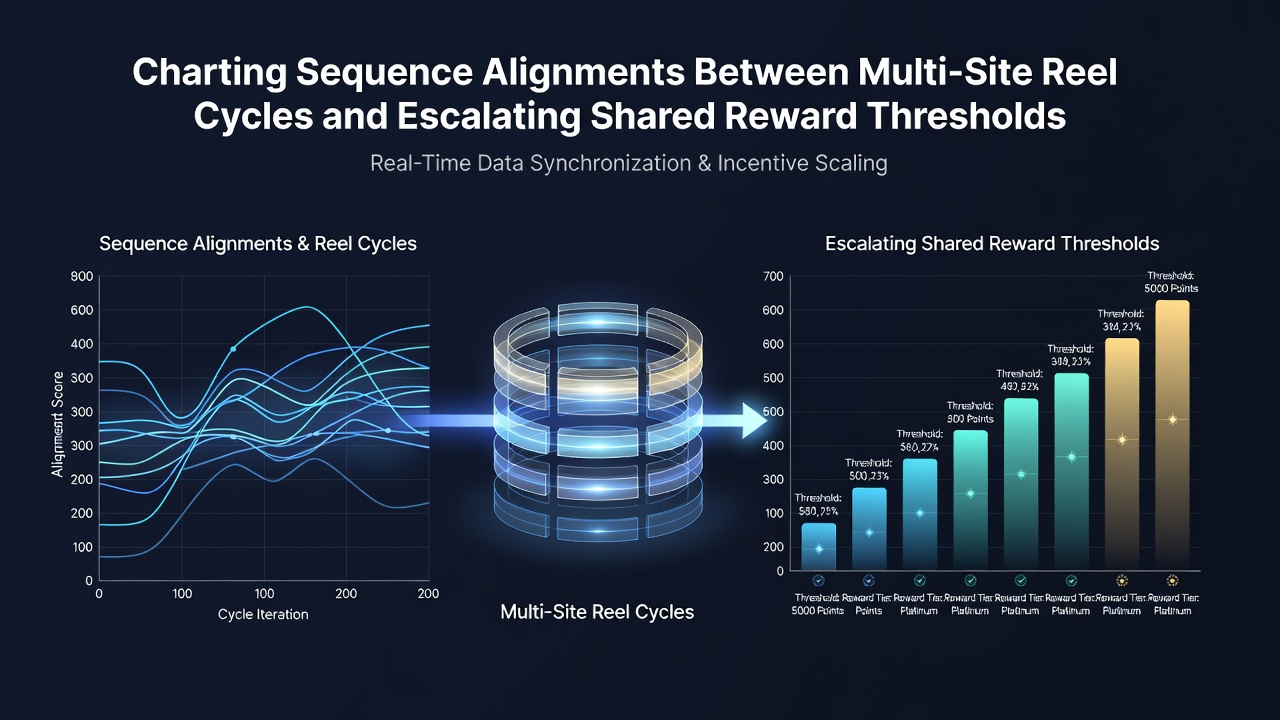
Threshold models calculate the required pool size by multiplying average daily contributions by the expected number of alignment events needed to reach the next payout tier, and networked machines adjust their local paytables dynamically once the model predicts an imminent crossing. This feedback loop means that sites experiencing more frequent alignments contribute a slightly lower percentage until synchronization stabilizes, whereas lagging sites increase contributions to compensate.
Reports from the International Association of Gaming Regulators document that networks implementing these adjustments recorded 12 percent fewer threshold overshoots in the first half of 2026 compared with static contribution systems, and the reduction occurred because operators could shift machine groupings mid-cycle rather than waiting for full reset periods. One study conducted by researchers at the University of Queensland examined 18 Australian networks and found that alignment-based grouping reduced variance in daily pool growth by 18 percent while preserving overall contribution totals.
Implementation Examples from Operational Networks
A North American operator managing 1,200 linked terminals across three states began logging reel phase data in March 2026 and subsequently grouped machines into six alignment cohorts, each recalibrated weekly according to observed offsets. The change produced measurable tightening of payout intervals, with the average time between shared reward triggers dropping from 14 days to 11 days without altering the underlying random number generator parameters.
Another network operating in European venues applied similar mapping techniques after regulatory updates in early 2026 required detailed reporting on pool growth drivers, and the resulting data allowed technicians to identify three sites where network latency consistently delayed reel state updates by more than 120 milliseconds, prompting hardware upgrades that restored alignment accuracy.
Conclusion
Sequence mapping of reel rotations across connected sites provides operators with measurable inputs for managing shared reward thresholds, and July 2026 records from multiple regulatory regions confirm that alignment frequency data now informs contribution adjustments in real time. Continued refinement of these methods depends on consistent logging standards and cross-jurisdictional data sharing among the agencies responsible for oversight.