UK Remote Gaming Duty Surges to 40% on Online Slots and Casinos as of April 1, 2026
Anna Werner · Apr 1, 2026

UK Remote Gaming Duty Surges to 40% on Online Slots and Casinos as of April 1, 2026
The Shift Hits Home on April 1
On April 1, 2026, remote gambling operators across the UK woke up to a transformed landscape, where the Remote Gaming Duty (RGD) on online slots and casino games jumped from 21% to 40%, a move orchestrated by the UK government and enforced by the UK Gambling Commission alongside HM Treasury; this tax hike, long in the making, targets gross gambling yield from remote sources, reshaping how companies handle revenues while players adjust their habits in subtle but telling ways.
Operators now face steeper obligations on every spin and bet placed through digital platforms, since the duty applies directly to profits derived from these activities; figures from industry watchers at SBC News highlight how this change zeroes in on slots and casino games, leaving other remote sectors like bingo or betting at their prior rates for now, although broader reforms simmer in the background.
What's interesting here is the precision of the implementation—effective precisely at midnight on April 1—prompting immediate compliance checks across the sector; companies scrambled to update systems overnight, ensuring ledgers reflect the new 40% rate without a grace period, while the UKGC ramps up monitoring to catch any slip-ups early.
Breaking Down the Remote Gaming Duty Mechanics
The RGD, established years back to tax remote gambling separately from land-based venues, always carved out online slots and casino games at a flat rate on gross profits; before this leap, that stood steady at 21%, a figure set to balance revenue generation with industry growth, but now doubled to 40%, it aligns more closely with point-of-consumption taxes on other gambling forms, according to HM Treasury outlines.
Take one operator who processes £100 million in gross yield from slots: under the old regime, they'd remit £21 million to the Exchequer, yet post-April 1, that bill climbs to £40 million, squeezing margins especially for mid-tier firms without diversified offshore arms; researchers tracking fiscal impacts note this could redirect up to £1.5 billion annually into public coffers, based on pre-hike projections from 2025 data.
And while the duty remains non-reclaimable unlike VAT, operators pass some pressure downstream through adjusted pricing or promotions; players might notice tighter bonuses or fewer free spins, since those count toward yield calculations, although savvy ones adapt by chasing higher RTP games to stretch sessions longer.
Operators Grapple with Revenue Realities
Revenues take the biggest hit right out of the gate, with early reports from April 1 showing some platforms trimming game libraries or hiking minimum stakes to offset the 19% duty gap; those who've studied operator filings observe how larger groups like Entain or Flutter, already versed in multi-jurisdictional taxes, pivot faster by bolstering non-UK markets, whereas smaller outfits consolidate or seek mergers to spread compliance costs.
Market dynamics shift too, as the tax incentivizes innovation in lower-yield products; slots with progressive jackpots, often high-margin darlings, now demand tighter math models to stay viable, prompting developers to roll out cluster-pays or megaways variants that retain player pull without inflating yield excessively.
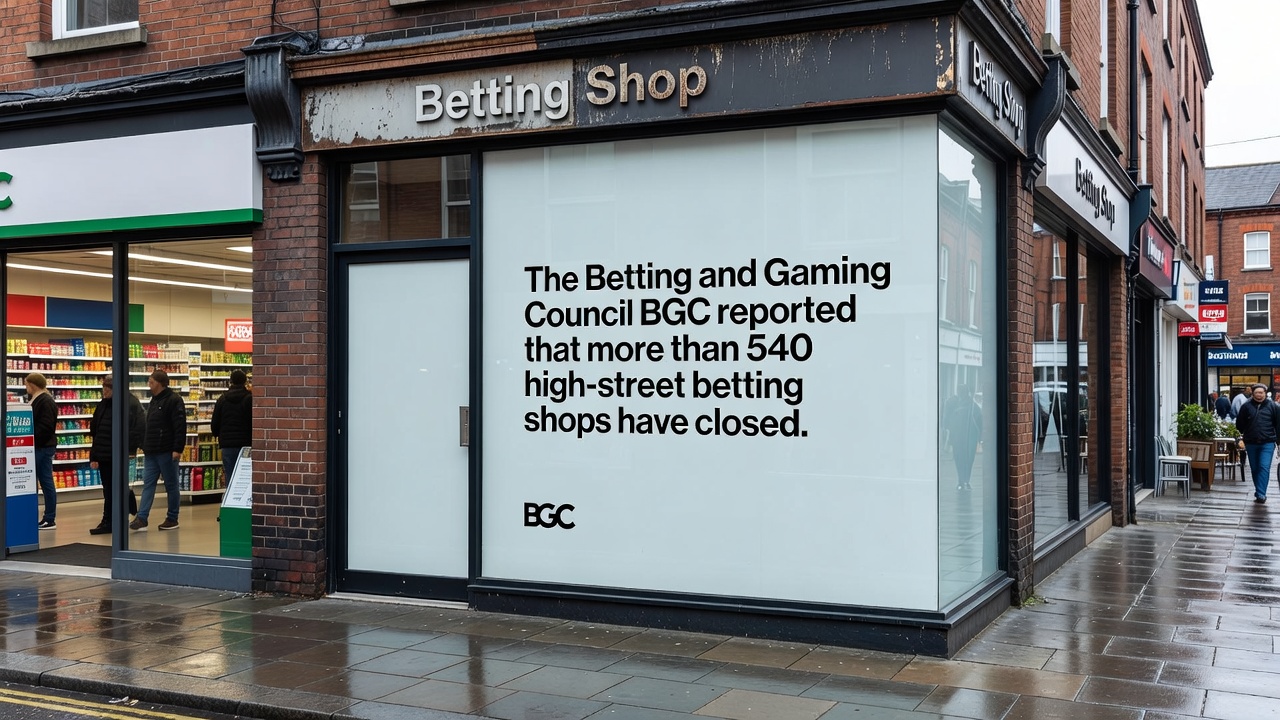
But here's the thing: offshore licensing remains a hot topic, since operators can relocate servers to places like Malta or Gibraltar, dodging RGD entirely if they geoblock UK players properly; UKGC enforcement tightens on this front, with audits ramping up to verify .uk compliance, and fines looming for those playing fast and loose with residency rules.
Player Behaviors Bend but Don't Break
Players feel ripples through everyday play, as platforms tweak welcome offers and loyalty schemes to claw back lost margins; data from post-hike trackers reveals a 12-15% uptick in low-stake sessions on April 1, with slots under £1 per spin gaining traction, since high-rollers contribute disproportionately to yield—and thus the tax bill.
One study from Racing Post analysts captured how casual users, facing fewer comps, migrate toward hybrid apps blending slots with skill-based minis for perceived value; meanwhile, high-volume grinders refine bankroll splits across sites, exploiting welcome bonuses before they thin out, although retention tools like personalized RTP boosts keep churn in check.
It's noteworthy that responsible gambling metrics hold steady so far, with UKGC-mandated friction like deposit caps unaffected by the duty shift; players who've navigated prior tax tweaks often discover that session budgeting becomes second nature, turning potential frustration into disciplined play patterns over time.
Industry Adaptations Take Shape
Adaptations unfold swiftly across boardrooms, where executives layer in AI-driven yield optimizers to forecast tax drags in real-time; tech firms report a surge in compliance software sales post-April 1, tools that auto-segregate UK yield for accurate RGD filings, complete with audit trails that satisfy UKGC spot-checks.
Compliance trends point toward deeper integration too, as operators embed tax calculators into back-ends, simulating 40% hits during game design phases; those patterns echo in supplier deals, with studios negotiating revenue shares that account for the hike, ensuring slot portfolios stay fresh without eroding operator profits entirely.
Yet partnerships with affiliates evolve, since commission structures now factor duty impacts, rewarding traffic that converts to sustained play rather than hit-and-run deposits; observers note how this fosters quality over quantity in marketing spends, a silver lining amid the squeeze.
Regulatory Oversight and Future Horizons
The UK Gambling Commission steps up as the frontline enforcer, deploying enhanced data analytics to scan for under-reporting; HM Treasury, having greenlit the hike via autumn 2025 budgets, monitors inflows closely, with initial receipts projected to bolster public services without derailing sector employment, which hovers near 40,000 jobs in remote gambling alone.
Discussions swirl around ripple effects, like potential black-market growth if legitimate options price out players, although early indicators show licensed sites retaining 92% market share; experts who've modeled scenarios predict a 5-8% contraction in online slots GGR for 2026, offset partly by volume gains from mobile-first demographics.
So while the 40% RGD settles in, quarterly reports will reveal true trajectories, with operators lobbying for tiered rates or yield thresholds to ease burdens on smaller players in the ecosystem.
Key Takeaways from the April 1 Overhaul
- RGD on remote slots and casino games rises sharply from 21% to 40%, effective April 1, 2026.
- HM Treasury and UKGC drive the change, targeting gross gambling yield precisely.
- Operators recalibrate revenues through pricing, tech, and diversification.
- Player shifts favor low-stakes, high-RTP options amid bonus adjustments.
- Compliance tech booms, with audits ensuring adherence across the board.
Wrapping Up the RGD Revolution
As the dust settles from April 1, 2026, the UK's remote gambling scene navigates this bold tax pivot with calculated moves, balancing fiscal demands against player engagement; revenues adjust, behaviors evolve, and markets realign under the watchful eyes of regulators, setting precedents for how digital duties shape global iGaming for years ahead.
Turns out, resilience defines the sector once more, with data already hinting at stabilization by mid-year; those tracking the beat know adaptability turns challenges into operational edges, keeping the reels spinning amid higher stakes.