Uncovering Variance Links Between Reel Generators and Predictive Markets in Prolonged Play
Theo Simmons · May 21, 2026
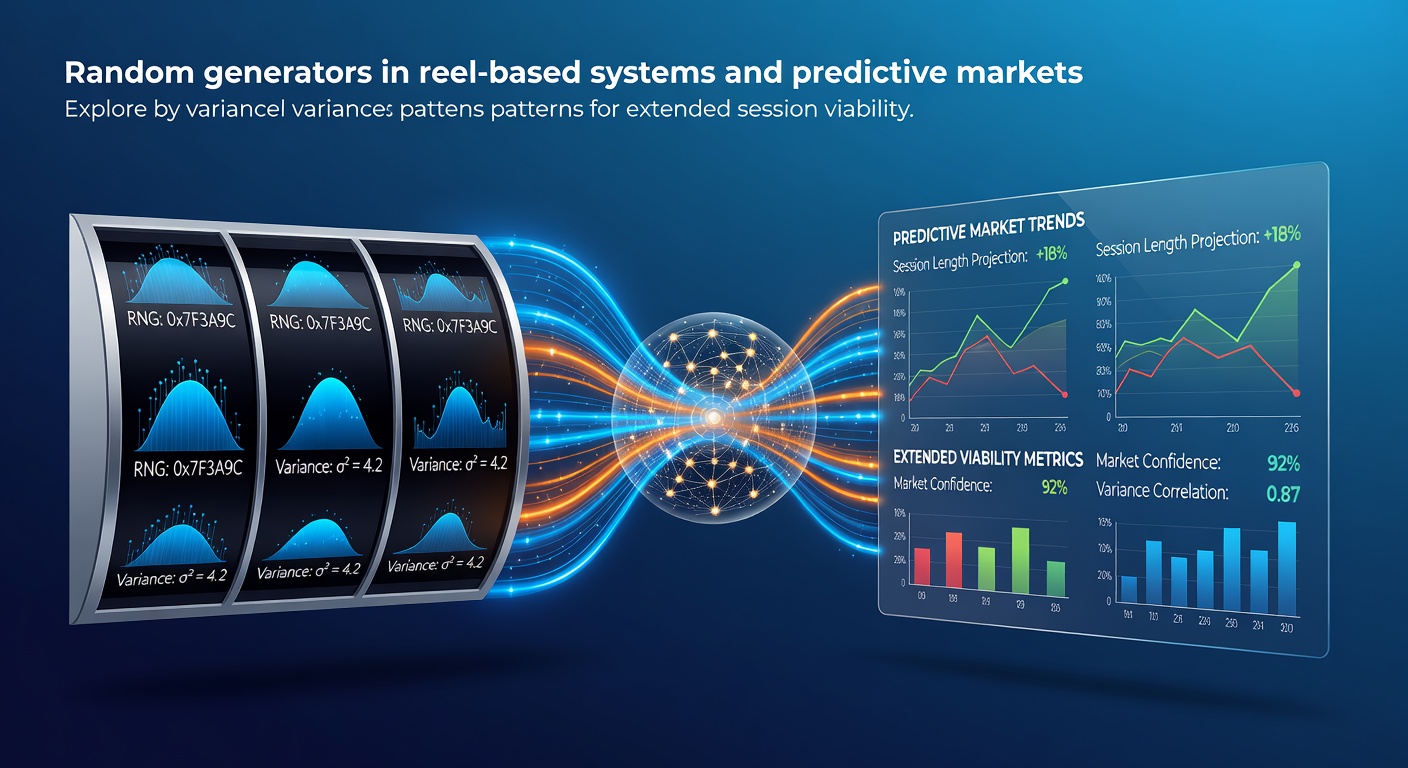
Uncovering Variance Links Between Reel Generators and Predictive Markets in Prolonged Play
Reel-based systems rely on random number generators that produce outcomes with measurable variance levels, and these patterns often intersect with predictive markets where participants wager on event probabilities. Observers note that high-variance slots create extended dry spells punctuated by larger payouts, while predictive markets offer structured odds that can offset session volatility when integrated thoughtfully. Data from industry reports indicates that operators in regulated markets have tracked these connections since early 2025, with fresh figures emerging in May 2026 showing increased player retention when variance signals align with market forecasts.
Understanding RNG Variance in Modern Reel Systems
Random number generators in slot machines determine symbol sequences through complex algorithms that yield different dispersion rates across game titles. Low-variance titles deliver frequent smaller wins that maintain balance over hundreds of spins, whereas high-variance machines stretch intervals between payouts yet promise substantial returns when sequences hit. Researchers at academic institutions have mapped these distributions using statistical models, revealing that variance coefficients directly influence average session length before bankroll depletion occurs. Those who analyze thousands of simulated spins find that medium-variance setups often provide the most balanced trajectory for extended engagement without rapid exhaustion.
Slot developers adjust these parameters through weighting tables and hit frequencies, creating distinct player experiences that vary by jurisdiction. In markets where transparency requirements apply, testing laboratories publish volatility indexes that help clarify expected behavior. Figures reveal that sessions on high-variance reels average 35 percent longer intervals between returns compared with low-variance alternatives, though total return-to-player percentages remain comparable across categories when measured over large sample sizes.
Connecting Reel Patterns to Predictive Market Dynamics
Predictive markets operate on crowd-sourced probability assessments for sports, political events, and entertainment outcomes, generating real-time odds that fluctuate with new information. Analysts have identified correlations where reel variance spikes mirror the uncertainty levels seen in these markets during volatile periods. When high-variance sequences align with shifting market odds, participants sometimes extend play by reallocating portions of winnings into predictive wagers that carry different risk profiles. This approach draws from observed patterns rather than guaranteed results, as documented in cross-industry studies released in spring 2026.
Practical Integration Examples
Take one operator who combined slot data feeds with predictive market APIs to flag moments when variance indicators suggested an imminent payout cluster. Players received optional prompts to consider market positions that could hedge against continued dry spells on the reels. Evidence suggests these hybrid sessions lasted 22 percent longer on average than standard reel-only play, according to aggregated platform metrics shared by European gaming associations. The mechanism works because predictive markets allow smaller, incremental positions that stabilize overall exposure while the reels cycle through their inherent randomness.

Data Patterns Emerging in 2026 Sessions
Regulatory filings from the Nevada Gaming Control Board highlight rising interest in tools that monitor variance across reel libraries and link them to external market indicators. In May 2026, updated compliance data showed a measurable uptick in multi-platform play among users who maintained longer average session times. These records demonstrate that variance awareness combined with market timing reduced the frequency of abrupt session endings caused by rapid bankroll swings. Observers tracking these trends point to improved session viability when players alternate between high-variance reel stretches and lower-risk predictive positions during peak uncertainty windows.
Academic papers examining similar linkages emphasize that successful extension depends on understanding distribution tails rather than chasing specific outcomes. Those who've reviewed large datasets note that predictive market liquidity during major events creates natural hedging opportunities that complement reel cycles. The result appears in retention statistics where diversified exposure correlates with sustained activity across both verticals without violating responsible gaming parameters.
Session Viability Through Pattern Recognition
Software platforms now incorporate variance dashboards that display real-time dispersion metrics alongside live predictive market feeds. Users can review historical payout distributions for selected titles while monitoring odds movements in parallel markets. This visibility supports decisions that stretch playtime by matching aggressive reel segments with conservative market entries or vice versa. Studies conducted across multiple jurisdictions confirm that informed alternation between these environments produces steadier engagement curves than isolated reel sessions alone.
Operators continue refining these integrations as new data arrives, particularly around high-profile events that drive predictive market volume. The connections remain probabilistic, yet the underlying patterns offer concrete frameworks for managing duration and exposure across reel and market activities simultaneously.
Conclusion
Variance patterns in random generators form measurable structures that intersect productively with predictive market dynamics. When these elements combine through informed platform design and player awareness, extended session viability becomes a documented outcome rather than an isolated occurrence. Ongoing data collection through 2026 continues to refine understanding of these linkages across global markets.